

low iron tempered glass
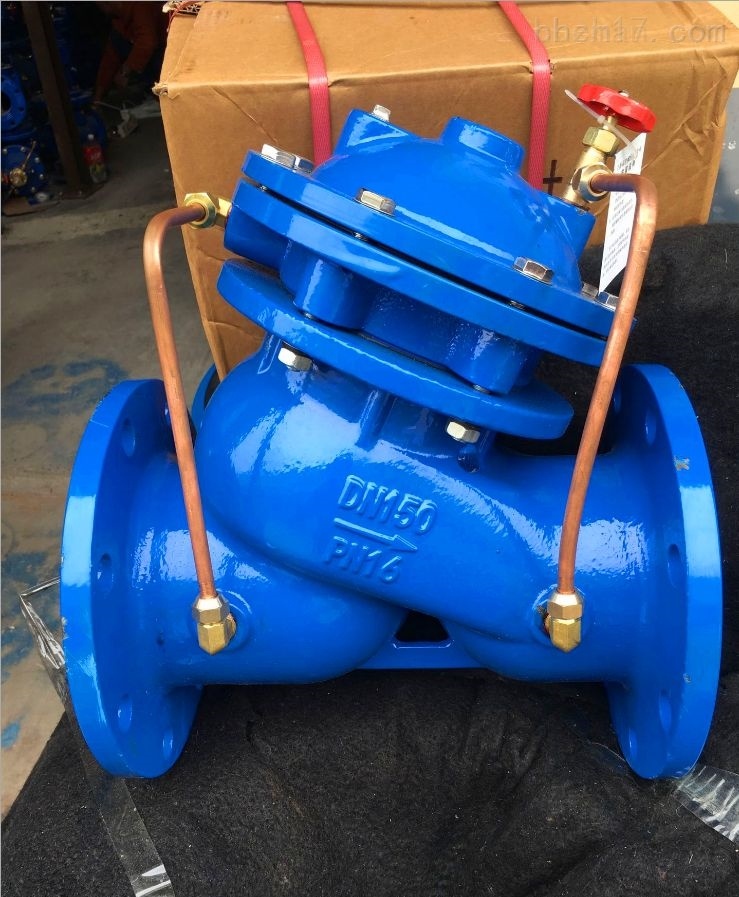
The Importance of Water Valves in Modern Infrastructure Water valves play a crucial role in the management and distribution of water, one of the most essential resources for life. Among the various types of valves used in plumbing systems, the 1% 201 2% water valve is a noteworthy example, offering a range of applications that enhance efficiency and reliability. Understanding the significance of these valves can provide insight into their impact on modern infrastructure and daily life. The Functionality of Water Valves At their core, water valves are devices that control the flow of water within a piping system. They can be used to start, stop, or modulate the water flow, making them integral to various applications, from residential plumbing to large-scale industrial systems. The 1% 201 2% water valve is specifically designed with features that facilitate precise flow control. These valves are constructed to handle different pressures, temperatures, and water quality conditions, making them versatile options for numerous environments. Their primary function is to regulate water distribution in a way that maximizes efficiency while minimizing waste. Applications in Infrastructure One of the primary applications of the 1% 201 2% water valve is in municipal water supply systems. These valves are used to manage the flow of potable water from treatment plants to homes and businesses. By ensuring that water is delivered efficiently, these valves help maintain a steady supply, which is critical for communities. 1 1 2 water valve Moreover, in irrigation systems, water valves play a vital role in agriculture. The 1% 201 2% water valve can automate the distribution of water to crops, ensuring that plants receive the appropriate amount of water without over- or under-irrigation. This capability not only conserves water but also enhances crop yields, contributing to food security. In industrial settings, these valves help manage water in manufacturing processes, cooling systems, and waste treatment plants. By regulating water flow, they ensure that operations run smoothly and safely. The ability to control water presence and pressure is particularly important in preventing damages and ensuring compliance with environmental regulations. Benefits of Using Efficient Water Valves The adoption of advanced water valves like the 1% 201 2% valve offers several benefits. One of the primary advantages is efficiency. By optimizing water flow, these valves reduce waste and energy consumption. For instance, they can help lower water bills for households and businesses, making their use economically appealing. Additionally, efficient water management contributes significantly to environmental sustainability. In a world where water scarcity is becoming increasingly prevalent, using valves that can enhance water conservation is essential. By minimizing leaks and ensuring that water is used where needed, these valves support efforts to protect this precious resource. Conclusion In conclusion, the 1% 201 2% water valve exemplifies the critical role that water valves play in contemporary infrastructure. From municipal supply systems to irrigation and industrial processes, these valves ensure the efficient and effective management of water resources. Their ability to control flow not only promotes economic savings but also advances sustainability efforts in a world where water is becoming a precious commodity. As we continue to navigate the challenges presented by climate change and population growth, the importance of such mechanisms in maintaining our water systems cannot be overstated. Investing in quality water valves is investing in a sustainable future for generations to come.
about
low iron tempered glass
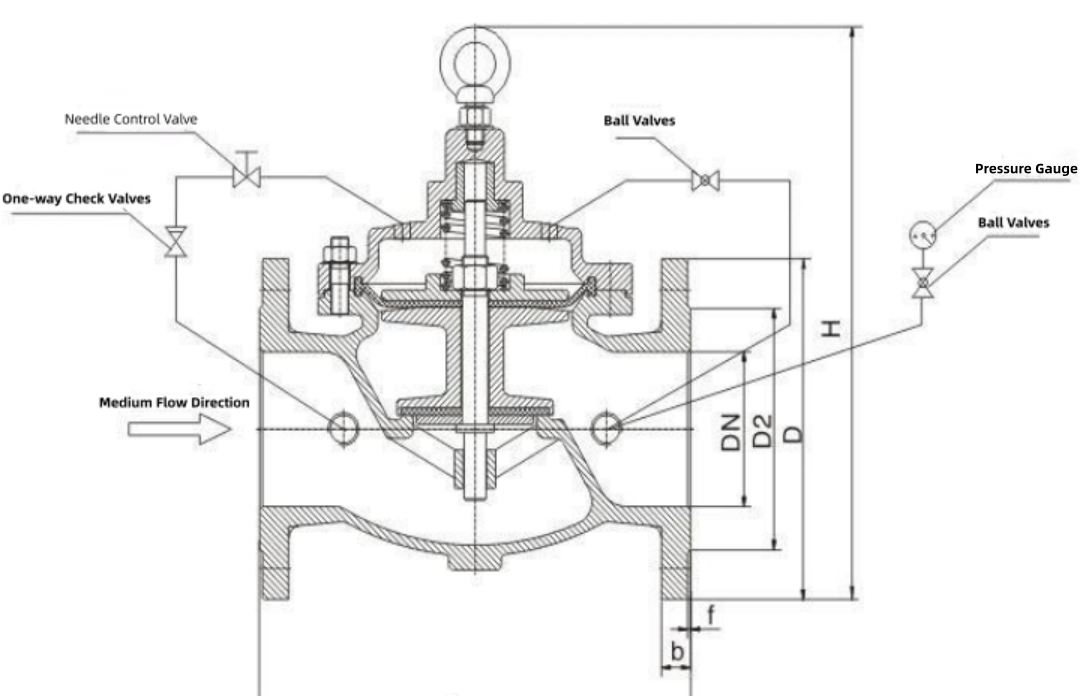
The Valve A Crucial Component in Engineering and Technology In the realm of engineering and technology, valves play an essential role in controlling the flow of fluids, gases, and even solids in various applications. Valves are mechanical devices that can regulate, direct, or control the flow of substances within a system, making them fundamental in numerous industries, including oil and gas, water treatment, pharmaceuticals, and automotive engineering. Understanding Valves At its core, a valve operates by opening, closing, or partially obstructing passageways in fluid systems. The primary purpose of any valve is to manage the flow and pressure of fluids or gases, ensuring that processes run smoothly and safely. Valves can be classified into several types based on their design and function, including gate valves, globe valves, ball valves, butterfly valves, and check valves, among others. 1. Gate Valves These valves are often used for on/off control. They operate by lifting a gate out of the path of the fluid, allowing it to flow freely when opened. However, they are not suitable for throttle control as they do not regulate flow efficiently when partially open. 2. Globe Valves Designed to allow for precise flow control, globe valves have a spherical body and a movable disk that regulates flow through the valve . This design makes them ideal for applications requiring frequent flow adjustments. 3. Ball Valves Ball valves feature a spherical disc with a hole through its center. When the hole is aligned with the flow, the valve is open, and when it is perpendicular, the valve is closed. Their quick operation and tight sealing properties make them popular in many applications. 4. Butterfly Valves These valves use a rotating disc to control flow. They are lightweight, quick to open and close, and are advantageous in applications where space is limited. 5. Check Valves Also known as non-return valves, check valves prevent fluid from flowing backward in a system. They are crucial in maintaining the integrity and safety of systems by ensuring fluid flows in the intended direction only. the valve Applications of Valves Valves are ubiquitous in everyday life, functioning in both commonplace and specialized systems. In residential plumbing, valves control the water flow supplying homes. In industrial settings, they regulate processes in chemical manufacturing, refining, and energy production. For instance, in the oil and gas sector, valves manage the flow of crude oil and natural gas through pipelines, ensuring safe and efficient transportation. In the automotive industry, valves control the flow of fuel and air into combustion engines, playing a critical role in performance and efficiency. Additionally, in healthcare, valves are essential in medical devices such as ventilators and intravenous systems, ensuring the safe delivery of medications and maintaining patient safety. Technological Advancements in Valve Design As technology progresses, valve design and functionality continue to evolve. Automation and smart technologies have revolutionized valve operations, allowing for remote monitoring and control. This innovation reduces human error and enhances operational efficiency. Smart valves equipped with sensors can provide real-time data on flow rates, pressure, and temperature, enabling proactive maintenance and optimization of processes. Moreover, advancements in materials science have led to the development of valves that can withstand harsher conditions, such as extreme temperatures or corrosive substances. This durability extends the lifespan of valves and reduces maintenance costs, ultimately benefiting various industries. Conclusion Valves are indeed a critical component across many sectors and industries, playing an integral role in ensuring the smooth and safe operation of systems. Their diverse types and advanced designs cater to a wide range of applications, solidifying their importance in modern engineering and technology. As we continue to innovate and improve valve technology, their significance in our daily lives will only grow, shaping the future of fluid and gas management.
-

High quality industrial productsagement

High quality industrial products
View Details -

Meet the diverse needs of customers

Meet the diverse needs of customers
View Details -

Strict quality control

Strict quality control
View Details -

Top raw materials

Top raw materials
View Details -

Trusted supplier

Trusted supplier
View Details
Our application

news and information
Wholesale Suppliers for High-Quality Ball Valves in Various Sizes and Materials
ball valves wholesale .
Various Types of Control Valves and Their Practical Applications in Industry
Control Valve Types and Applications Control valves are critical components in various industrial pr
Using stamped truss nails for plate connection.
The Significance of Stamping in Truss Nail Plate Technology In the realm of construction and woodwo
 English